

Yowell & Hastings highlight Breakthru Learning @Google
Connie Yowell, MacArthur, opened day 2 of the Breakthrough Learning conference at Google with a powerful set of observations drawn from four years of grant making in youth media & learning:
1. kids (out of school) are learning, connecting, participating in new ways
2. schools are node on young person’s learning network
3. Shift underway from
- from teaching to learning
- from consuption to participation
- from institutions to networks
4. Many kids live very different lives outside of school. This presents new gaps in the ‘opportunity learn.’
5. Traditional research methods will remain important, but in the emerging field of youth media we’ll need to rely qualitative and descriptive data
Following a tech-gap closing plea, Reed Hastings warned against fixating on 3-5 year goals because you’ll get the 50 year evolution wrong. Reed suggested that gaps always exist with new technology; there may be a role for government at times, but technology will continue to get better and cheaper with wider access. It’s a marathon not a sprint—a commitment to make a difference of 30 not 3 years.
Reed addressed the two primary learning sectors:
Parent pay sector. It’s a huge and growing market; lots of interesting opportunities for venture and philanthropic investment.
Government pay sector. We see universal regression to the mean in public school districts. It’s a result of the difference between self-perpetuating governance (e.g., appointed boards, charter management organizations) which leads to continuity compared to elected governance (e.g., elected school boards). Fixing school districts is pushing a rubber band. No way in the elected system to create continuity of leadership. To prevent public monopolies, we need to add competition of multiple providers.
Reed is bullish on charter management organizations (CMOs). He suggested that for CMOs to grow, they’ll need to be a technology leader. If they get twice the learning for half the price, they can use the margin to open new schools. Reed specifically encouraged KIPP to adopt a blended model (he’s on the KIPP board) because their heroic-effort model isn’t very scalable.
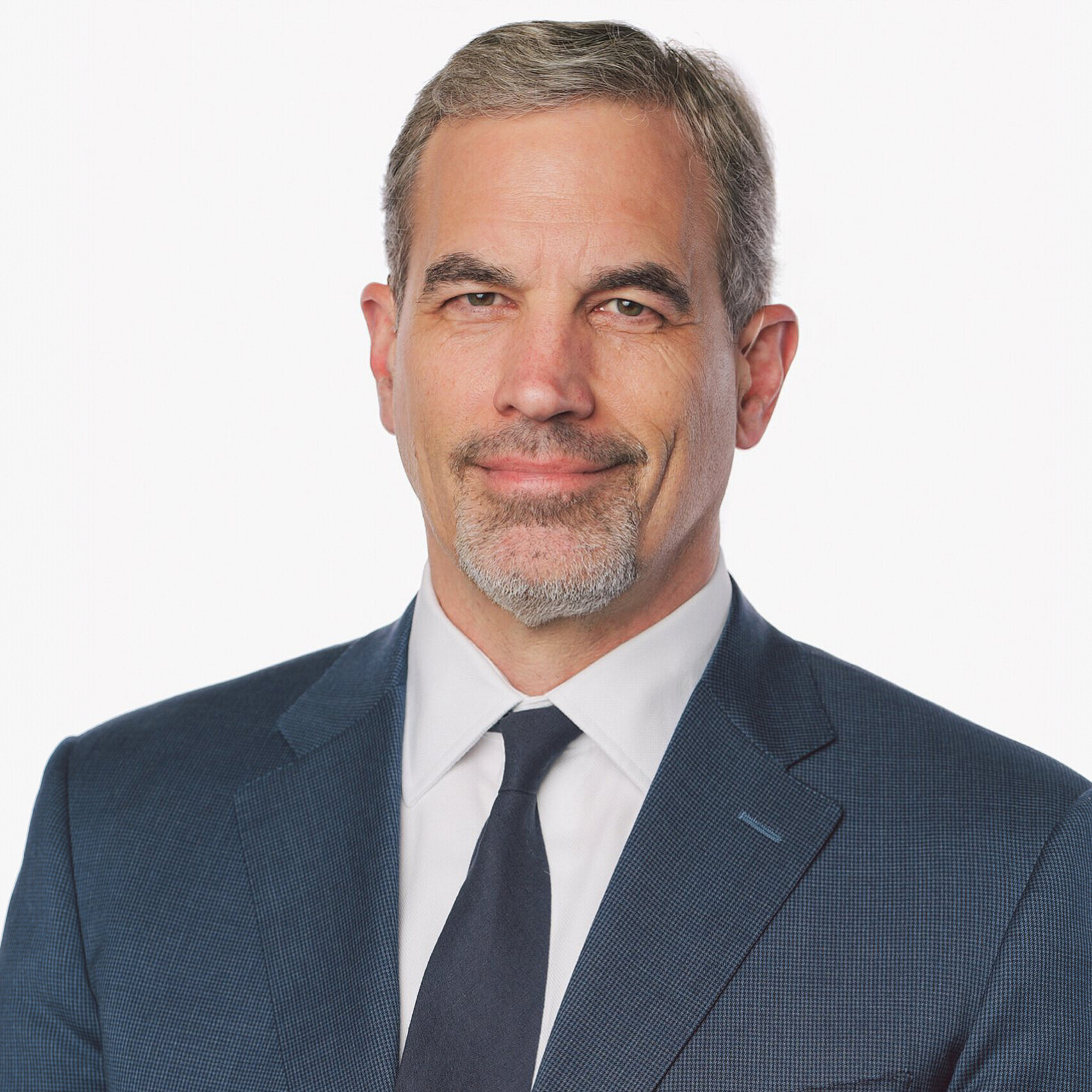


John Danner
It's true that technology allows a hybrid model of school - part classroom, part online learning - and that model allows you to reinvest in making your schools better and building more schools. That's what we do at Rocketship. Reed's framing of the argument into parents vs. schools is right in my opinion. I think the real opportunity to lead for schools is that we have much better laboratories to figure out what can really work to grow student learning better and faster with technology than a vendor can alone or that any parent can. My guess is we have 5 years at the most to demonstrate that we can blend classrooms and technology in a way that exceeds what a parent can just get online without us. If we can't do that, I think we could see some very big changes in the way people choose to educate their kids, largely by going around the schools or just using them for enrichment.