


Leadership
Content that enables educators, edleaders, organizations and families to increase capacity, apply a growth mindset and implement what’s next in learning on behalf of those entrusted to them.




Subscribe to Our Podcast
This podcast highlights developing trends in K-12 education, postsecondary and lifelong learning. Each week, Getting Smart team members interview students, leading authors, experts and practitioners in research, tech, entrepreneurship and leadership to bring listeners innovative and actionable strategies in education leadership.
Find us on:
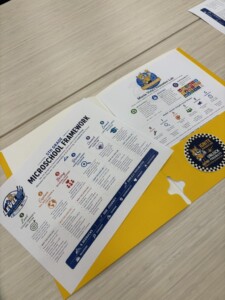
Districts Don’t Need Another New Model. They Need Systems That Build Them.
What if the next breakthrough in school design did not require a new building, a charter, or a pilot program imported from somewhere else? At Hidden Valley Middle School in Escondido, a public microschool operating inside a traditional campus has cut suspensions by 60 percent and reduced chronic absenteeism by 12 percentage points, schoolwide. This piece by Dr. Katie Martin and Dr. Devin Vodicka explores how California districts are building the internal capacity to generate and spread learner-centered models, and why that shift from showcase schools to generative systems may be the most important move in education reform right now.

Beyond the Shiny Object: How to Assess Your System’s True Innovation Readiness
Too many districts launch the next big initiative before their systems are ready to sustain it. In this new piece, Getting Smart contributors Nate McClennen and Rebecca Midles introduce the 5 C's of R&D Readiness and 8 Archetypes of System Transformation, a practical framework for honestly diagnosing where your school or district stands before committing to wide-scale change. Whether your system is a Vanguard or a Frozen System, this tool helps leaders move from reactive initiative-chasing to intentional, coherent redesign.
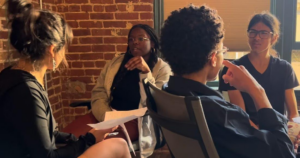
How Empathy Interviews Transform Stakeholder Engagement into Shared Ownership
What if the most powerful tool in school improvement is a single, unhurried conversation? In this post, Jennifer Poon and Doannie Tran make the case for empathy interviews as the essential first step in genuine community co-creation, and explain why it matters deeply who conducts them. Drawing on their work with Burlington School District, they show how shifting the interviewer from consultant to community member transforms not just the data collected, but the relationships and shared ownership that follow. This is a must-read for any education leader serious about building strategies that reflect the full truth of their community.

Voiceless Collegiality: When Getting Along Gets in the Way of School Leadership
When a leadership team meeting ends with everyone offering to help but no one agreeing to lead, something important has gone wrong beneath the surface. In this sharp, diagnostic piece, education leadership professor Andy Szeto names a pattern hiding in plain sight: voiceless collegiality, the organizational silence that masquerades as team harmony. Szeto identifies three distinct types of silence eroding school effectiveness and offers concrete shifts for leadership teams ready to trade comfort for clarity.